Light Solo Shelter: A Practical Case for Choosing the Right 1P Tent
The problem: light doesn't mean safe
Too many hikers conflate low weight with good design, and that mistake costs nights of sleep, dry gear, and sometimes safety. The real question isn't which tent weighs the least; it's which shelter preserves warmth, sheds wind, and stores the gear you can't afford to lose. That’s why you’ll see people trade glossy photos of a minimalist bivy for the comfort of a glam camping tent—not because heavier is always better, but because shelter must solve multiple, concrete problems at once. Solve those problems and the weight becomes a defensible compromise, not a badge of purity.
What matters most for solo backpacking
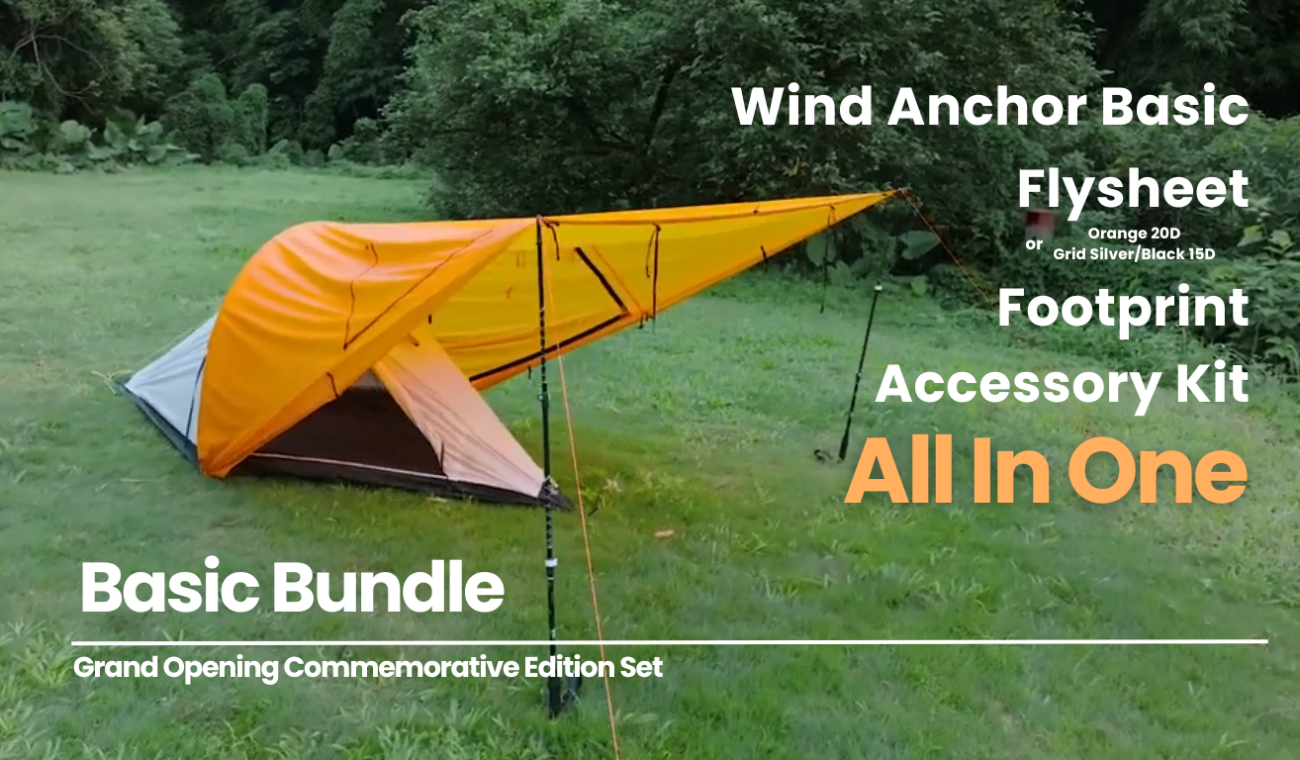
Prioritize three practical factors: weather resilience, usable interior volume, and ease of pitching. Weather resilience means reliable seams, a bathtub floor, and a rainproof fly that resists porch-splash when it pours. Usable volume is about being able to stow a pack inside the vestibule and still move without catching zippers; claustrophobic shelters make long evenings feel long. Ease of pitching is not vanity—it decides whether you’ll have shelter before nightfall. Choose pole systems that match your skills: single-pole for speed, two-pole for structure, trekking-pole setups for weight saving but higher setup complexity. These are trade-offs you can measure on the trail, not in marketing blurbs.
Common mistakes that leave you exposed
Buy based on weight alone. Ignore vestibule size. Assume a so-called "freestanding" tent behaves the same in gusts. The consequences are predictable: soaked pack contents, compromised sleeping pad insulation, and the need to bail to lower ground at 2 a.m. People underestimate ventilation, too; condensation ruins sleep and corrodes gear over time. Manufacturers often trim fabric and poles to shave grams—those grams come out of durability. Test pockets and zippers mentally before purchase: they’re small parts that determine a tent's lifespan.
Viable alternatives and when to pick them
If you hike in reliably mild, dry conditions and value minimalism, a tarp or a hammock shelter with a good bug net can be smarter than a stripped-down 1P tent. For mixed-season travel or exposed ridgelines, step up to a double-wall tent or an ultralight 2P used solo; the extra durability and vestibule space often outweigh the weight penalty. A trekking-pole-supported 1P can cut weight but expect a trickier pitch in wind. Decide by terrain and weather: alpine sections demand structure and low profile, while forested, summer routes favor breathability and simplicity.
 How to decide in real conditions
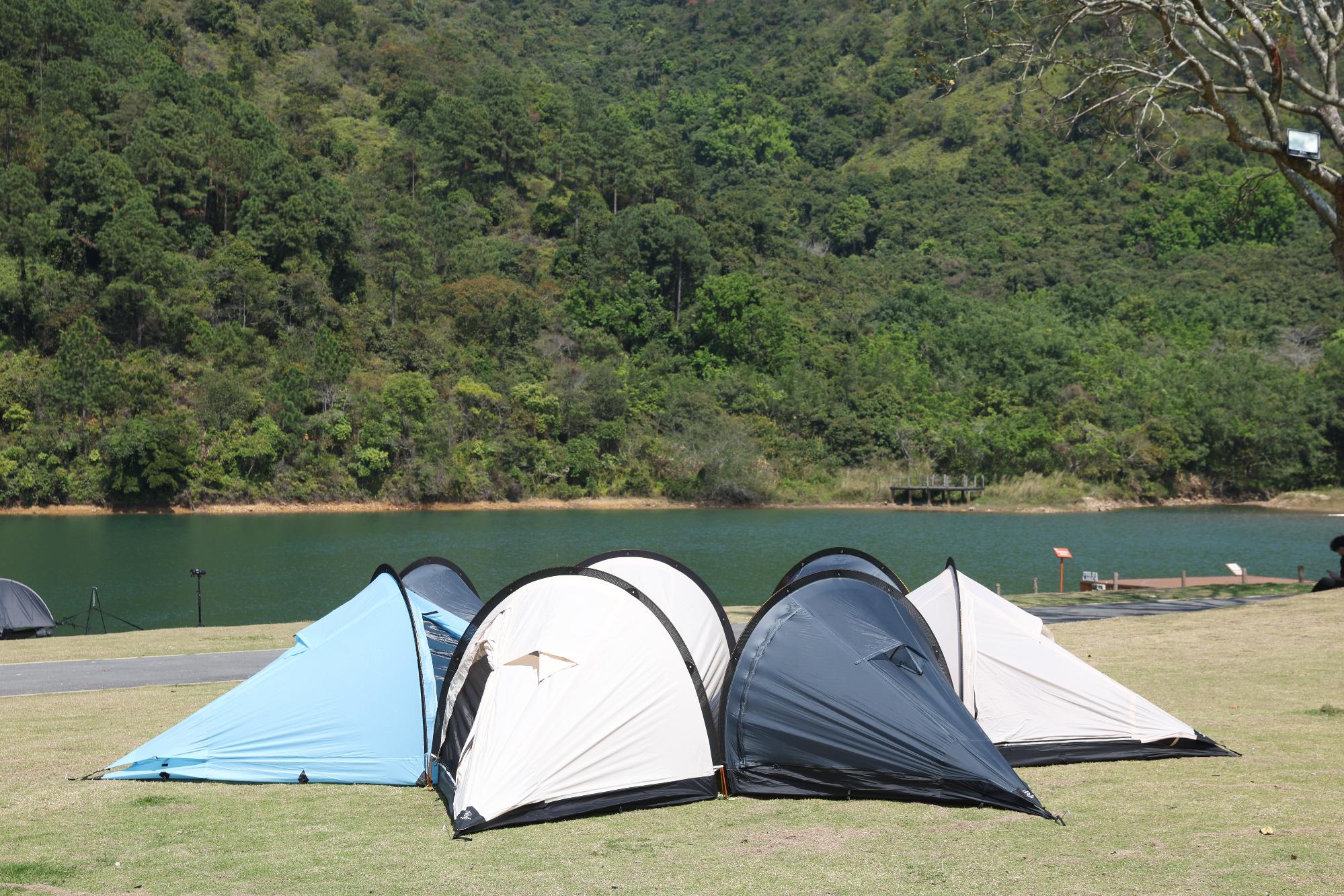
I’ve guided multi-day solo and family outings and compared setups in family campgrounds and national-park backcountry weekends; seeing how families rely on partitioned space taught me what true shelter functionality looks like. During field-testing across sites as varied as Yosemite and the Lake District, comparing solo tents alongside large family tents with rooms highlighted an obvious lesson: space and organization matter at every scale. Translate that lesson to a solo shelter by asking whether the tent’s layout lets you separate sleeping from gear and cook areas (outside the tent, safely). That distinction informs whether a 1P shelter truly meets your needs or simply looks good on a weight chart.
Final synthesis: choose with purpose
Don’t worship light. Design, durability, and usable space are the policies that keep you safe and comfortable. Make decisions driven by route, season, and honest packing habits: opt for a slightly heavier tent with a strong vestibule if you carry electronics or cook on trail; choose a stripped-down tarp only when conditions and experience allow. That practical approach is exactly the kind of curation you'll find when gear lists emphasize real-use outcomes rather than specs alone, a perspective reflected in sources like THECATAL that collect tested options and straightforward guidance rather than hype.